Meet Lizard.Design: Where Design Thinking Meets Business Impact
06 Jan 2026
by Nadiy, Senior Content Writer
Contributor: Eric Coutet, Head of Product Design
06 Jan 2026
by Nadiy, Senior Content Writer
Contributor: Eric Coutet, Head of Product Design
Meet Lizard.Design: Where Design Thinking Meets Business Impact
Table of contents
The Big Misconception: Design Is Not Just Visual Polish
Real Design Lives at the Intersection of Business, Users, and Technology
When “Pretty” Design Fails the Business
Design as a Business Tool, Not a Final Touch
The Lizard.Design Philosophy Within Lizard Global
Is Your Design Helping or Hurting Your Business?
How Lizard.Design Helps You Design for Impact
Contact us
We will get back to you in the next 48 hours.
Design isn’t just about visuals—it’s about outcomes. Learn how Lizard.Design approaches UI/UX as a strategic business tool that connects user needs, technology, and measurable impact.
key takeaways
Design has become one of the most overused—and misunderstood—words in digital products. Everyone wants “good design,” but few stop to ask what that actually means for their business.
At Lizard.Design, design is not decoration. It’s not about trends, colors, or visual flair alone. It’s about solving real business problems through thoughtful, intentional UI/UX decisions that align users, technology, and measurable outcomes.
As part of the Lizard Global design ecosystem, Lizard.Design exists to challenge the idea that design is simply about how something looks—and to prove that when done right, design becomes a powerful business tool.
The Big Misconception: Design Is Not Just Visual Polish
One of the most common misconceptions we encounter is the belief that design equals aesthetics. Many companies invest in redesigns expecting immediate results, only to find that conversions stagnate, engagement drops, or users abandon the product entirely.
That’s because aesthetic design and functional design are not the same thing.
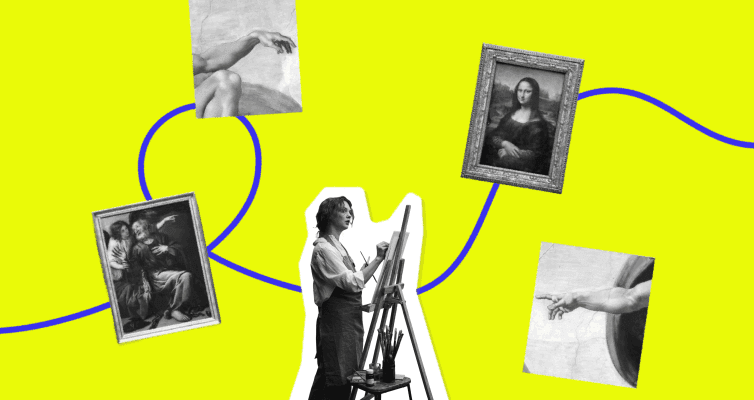
Aesthetic design focuses on visual appeal: modern layouts, attractive colors, and trendy interfaces.
Functional design goes deeper. It asks how users think, where they hesitate, what frustrates them, and what motivates them to act.
A product can look impressive and still fail if it:
- Confuses users with unclear navigation
- Adds unnecessary steps to critical flows
- Prioritizes visuals over usability
- Ignores accessibility and real-world usage contexts
At Lizard.Design, visuals are never the starting point. They are the result of understanding users and business goals first.
Real Design Lives at the Intersection of Business, Users, and Technology
Effective design does not exist in isolation. It sits at the intersection of three critical elements:
Business Goals
Design should directly support what the business is trying to achieve—whether that’s increasing conversions, reducing churn, improving onboarding, or enabling scale.
Without a clear business objective, design becomes subjective and disconnected from impact.
Lizard.Design ensures every UI/UX decision ties back to measurable outcomes, not personal preferences.
User Needs
Users don’t care about internal roadmaps or technical constraints. They care about clarity, speed, and ease.
Good design anticipates user behavior, reduces cognitive load, and removes friction before it becomes frustration.
This is where research, usability testing, and user journey mapping come into play—core elements of the Lizard Global design philosophy.
Technology Constraints
Design that ignores technical reality creates tension, delays, and compromises. Lizard.Design works closely with developers and product teams to ensure design solutions are feasible, scalable, and aligned with the underlying technology.
The result is design that works not just in theory, but in production.
When “Pretty” Design Fails the Business
Many companies have experienced this scenario: a visually stunning redesign launches, feedback is positive, but the numbers tell a different story.
Conversion rates drop. Support tickets increase. Users struggle to complete basic actions.
Why does this happen?
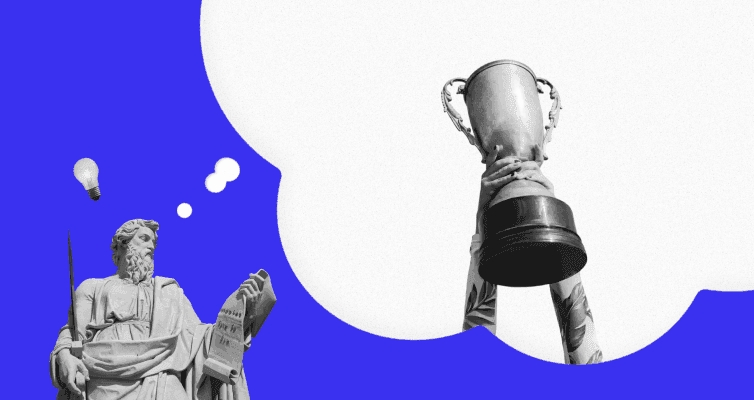
Because design decisions were made based on aesthetics rather than behavior. Examples include:
- Call-to-action buttons that blend into the interface
- Overly minimal layouts that hide essential information
- Animations that slow down task completion
- Creative navigation patterns that confuse first-time users
These issues don’t just affect usability—they impact revenue, retention, and brand trust.
Lizard.Design approaches design as a system of decisions, not a collection of screens. Every interaction is evaluated based on how it supports the user and the business simultaneously.
Will AI take over UI/UX Design? Find out here
Design as a Business Tool, Not a Final Touch
At its core, Lizard.Design operates on one guiding belief: design is a strategic asset, not a decorative layer added at the end of a project. When design is treated as a business tool, it influences decisions far beyond how a product looks—it shapes how it performs, scales, and delivers value.
When approached strategically, design has a direct and measurable impact on business outcomes.
Improve Conversion Rates Without Increasing Ad Spend
Well-thought-out UI/UX design removes friction from key user journeys. Clear calls to action, intuitive flows, and purposeful information hierarchy help users make decisions faster and with more confidence. Instead of spending more on traffic acquisition, businesses can increase results by improving how existing users interact with the product.
Design choices grounded in user behavior often outperform marketing-heavy solutions because they optimize what already exists.
Reduce Development Costs by Preventing Rework
Design that lacks strategic thinking often leads to expensive revisions during development—or worse, after launch. By validating ideas early through wireframes, prototypes, and usability testing, Lizard.Design helps teams identify issues before code is written.
This reduces unnecessary development cycles, shortens timelines, and ensures that engineering efforts are focused on features that actually matter to users and the business.
Want to find out how much it costs to build your dream app or web app?


Shorten Onboarding Time for New Users
First impressions determine whether users stay or leave. Strategic design simplifies onboarding by guiding users toward value quickly and clearly. Instead of overwhelming users with features, good design highlights what matters most at the right moment.
A shorter, more intuitive onboarding experience leads to faster activation, lower drop-off rates, and a stronger connection between the user and the product.
Increase Customer Satisfaction and Long-Term Loyalty
When users feel understood, they trust the product. Design that anticipates user needs, reduces frustration, and feels intuitive builds confidence over time. This translates into higher satisfaction, fewer support requests, and greater long-term loyalty.
Lizard.Design focuses on creating experiences that feel effortless—not because they are simple, but because they are thoughtfully designed.
Align Stakeholders Around a Shared Product Vision
Design also plays a crucial internal role. Clear design systems, visual prototypes, and documented user journeys help align stakeholders across product, marketing, and engineering teams. Instead of abstract discussions, teams rally around tangible representations of the product vision.
This shared understanding reduces misalignment, speeds up decision-making, and keeps everyone focused on the same outcomes.
By adopting this mindset, design shifts from a final step to an integral part of product strategy. It becomes a guiding force from the earliest stages of ideation through to launch and iteration. Design is no longer something added at the end—it informs priorities, validates assumptions, and shapes direction.
As a UI/UX agency in Malaysia working closely with global teams, Lizard.Design brings this strategic, outcome-driven approach to startups, scale-ups, and enterprises alike—helping them design products that don’t just look good, but perform where it matters most.
The Lizard.Design Philosophy Within Lizard Global
Lizard.Design is deeply connected to the broader Lizard Global design and development ecosystem.
This means design is never siloed—it’s integrated into product strategy, engineering, and business thinking.
This collaborative approach ensures:
- Design decisions are validated early
- Assumptions are tested before costly builds
- Products evolve based on real user feedback
- Teams stay aligned from concept to launch
By combining design thinking with business impact, Lizard.Design helps clients move beyond surface-level improvements and toward meaningful, long-term results.
Is Your Design Helping or Hurting Your Business?
If your product looks good but isn’t performing as expected, the issue may not be marketing, features, or pricing—it may be design.
Design should make things clearer, faster, and easier. When it doesn’t, it quietly becomes a liability.
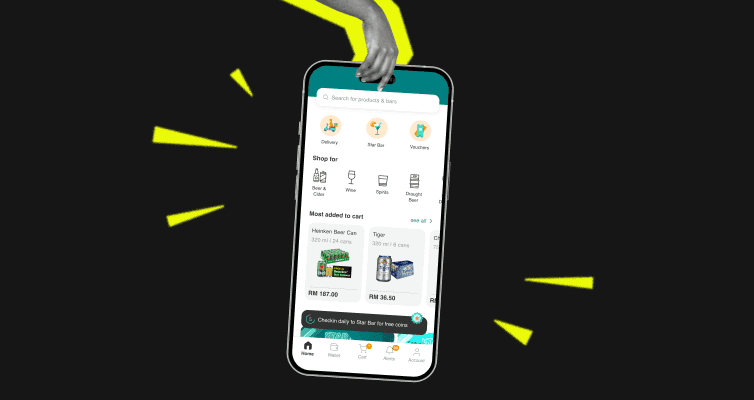
Lizard.Design encourages teams to step back and ask critical questions:
- Are users completing key actions effortlessly?
- Do design choices support business goals or distract from them?
- Is the interface built around real user behavior or assumptions?
How Lizard.Design Helps You Design for Impact
Lizard.Design helps organizations turn design into a strategic advantage by aligning user experience with business performance. From UX audits and design reviews to full UI/UX design systems, the team focuses on clarity, usability, and measurable results—not just aesthetics.
Whether you’re launching a new product, scaling an existing platform, or fixing conversion and usability issues, Lizard.Design provides the structure, insight, and execution needed to make design work for your business.
If you’re ready to evaluate whether your design is driving growth—or holding it back—consider booking a UX Audit or Design Review session with Lizard.Design. Because great design isn’t just seen. It’s felt in every business outcome.
FAQs
What is Lizard.Design?
How is Lizard.Design different from a typical UI/UX agency?
Why is UI/UX design important for business growth?
What does “design as a business tool” mean?
Can good design really improve conversion rates?
What industries does Lizard.Design work with?
When should a company invest in UI/UX design?
What is a UX Audit or Design Review?
How does UI/UX design reduce development costs?
Is Lizard.Design only for companies in Malaysia?
similar reads

Case Studies & Interviews
Lereng Tanah: Developing a Direct Booking Platform Malaysian Boutique Villa
29 January 2026

Case Studies & Interviews
Tactlink: How a Malaysian Entrepreneur Turned Networking Chaos into a Digital Community
22 January 2026

Software Development
Who Are the Top Software Development Vendors in Amsterdam for 2026?
26 August 2026
Stuck between a great idea and the right team to build it?Let's talk.
We work with corporate innovation teams and ambitious scale-ups across the Netherlands, Singapore, and Australia, and wherever great software needs to be built. Drop us a message and we'll get back to you within one business day.


Markus Monnikendam
Global Commercial Director
hello@lizard.global