
Digital Trends Driving Enterprise Software Decisions in 2026

05 Feb 2026
by Nadiy, Senior Content Writer
05 Feb 2026
by Nadiy, Senior Content Writer
Digital Trends Driving Enterprise Software Decisions in 2026
Table of contents
1. AI and Intelligent Automation Are Non-Negotiable
2. Cloud-Native Architectures Drive Flexibility
3. Data Ownership and Analytics as Competitive Advantage
4. Security, Compliance, and Regulatory Readiness
5. Hyper-Personalized User Experiences
6. Integration and Interoperability Are Key
7. Sustainability and Green IT Influence Decisions
How Lizard Global Supports Strategic Enterprise Decisions
Contact us
We will get back to you in the next 48 hours.
Digital Trends Driving Enterprise Software Decisions in 2026.
The software decisions your enterprise makes in 2026 will define growth, efficiency, and competitiveness. Explore the key digital trends, from AI and cloud-native solutions to data-driven insights, that are shaping enterprise strategies this year.
key takeaways
The pace of digital transformation is accelerating, and enterprise software decisions are no longer just about choosing tools, they are about shaping business strategy. In 2026, organizations are facing a landscape where technology adoption is tightly linked to competitiveness, efficiency, and customer experience.
Understanding the digital trends that influence enterprise software choices is critical for businesses looking to stay ahead, reduce risks, and maximize ROI.
Here’s a closer look at the key trends shaping enterprise software decisions this year:
Want to find out how much it costs to build your dream app or web app?


1. AI and Intelligent Automation Are Non-Negotiable
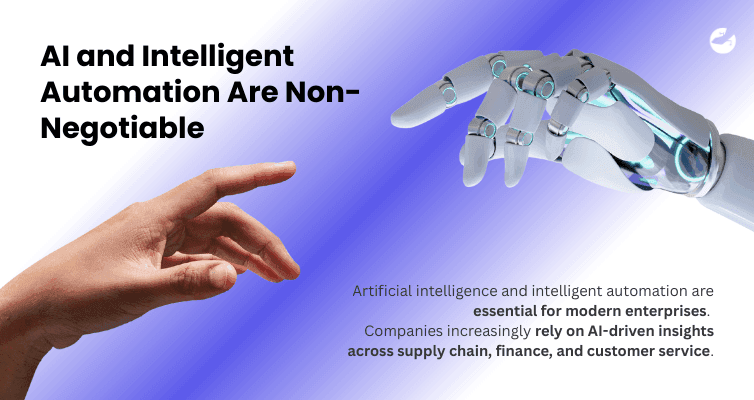
(AI) Artificial intelligence and intelligent automation are no longer experimental, they are essential. From automating repetitive tasks to powering predictive analytics, enterprises are leveraging AI to reduce operational costs, improve decision-making, and enhance customer experiences.
Businesses are increasingly adopting AI-driven insights in supply chain management, finance, and customer service. These tools provide not only operational efficiency but also strategic intelligence, helping decision-makers identify risks and opportunities faster than ever.
Example:
- An enterprise uses AI-powered chatbots to handle first-line customer support, freeing human agents for complex queries.
- Predictive analytics tools forecast inventory needs based on historical sales and market trends, allowing supply chain managers to reduce waste and optimize stock levels.
2. Cloud-Native Architectures Drive Flexibility
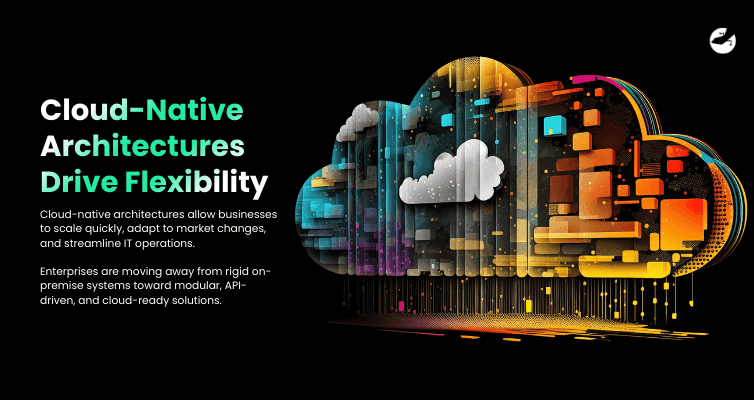
Cloud adoption continues to influence enterprise software strategies. Companies are moving away from monolithic on-premise systems toward cloud-native architectures that allow scalability, rapid updates, and seamless integration across platforms.
This shift enables teams to respond to changing market demands with agility, supports hybrid work environments, and reduces infrastructure overheads. In 2026, enterprises increasingly favor software solutions that are modular, API-driven, and cloud-ready.
Example:
- A multinational corporation migrates its legacy HR and payroll systems to a cloud-native platform, enabling automatic updates, remote access, and integration with regional compliance tools. This allows HR teams in different countries to work from a single, scalable system without IT bottlenecks.
3. Data Ownership and Analytics as Competitive Advantage
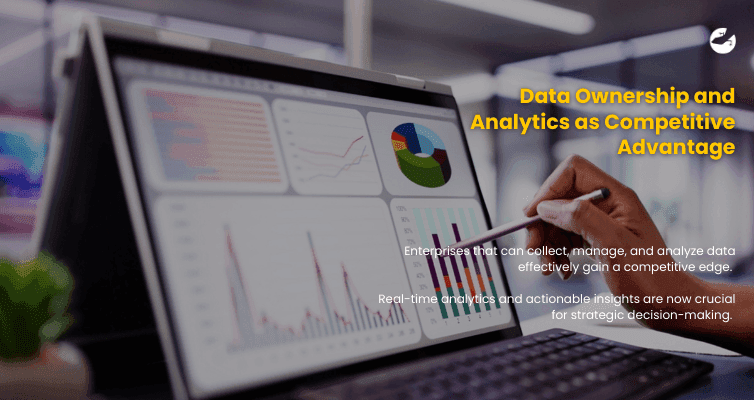
Data is the lifeblood of modern enterprises. Organizations that can efficiently collect, manage, and analyze their data gain a significant competitive edge. The focus has shifted from mere data collection to actionable insights and business intelligence.
Enterprises now evaluate software solutions based on their ability to provide real-time analytics, ensure data security, and comply with regulations. The demand for centralized, intelligent dashboards and predictive analytics tools is higher than ever.
Example:
- A retail enterprise consolidates customer data from e-commerce, in-store, and loyalty programs into a centralized analytics dashboard. The platform provides insights on purchase patterns, enabling personalized marketing campaigns that increase conversion rates and repeat purchases.
4. Security, Compliance, and Regulatory Readiness
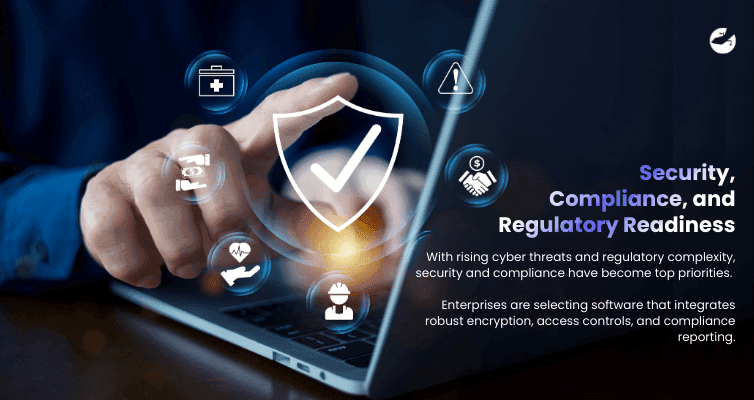
With increasing cyber threats and complex regulatory environments, security and compliance are no longer optional, they are strategic priorities. Enterprises are selecting software solutions that provide strong encryption, access controls, and compliance reporting.
2026 will see more companies integrating security protocols into the core architecture of their software rather than treating it as an afterthought. This ensures not only compliance with regulations like GDPR or industry-specific standards but also protects brand trust and customer loyalty.
Example:
- A healthcare provider implements an enterprise software platform with built-in encryption and access controls. The system automatically generates audit reports to comply with HIPAA regulations while monitoring suspicious activity to prevent data breaches.
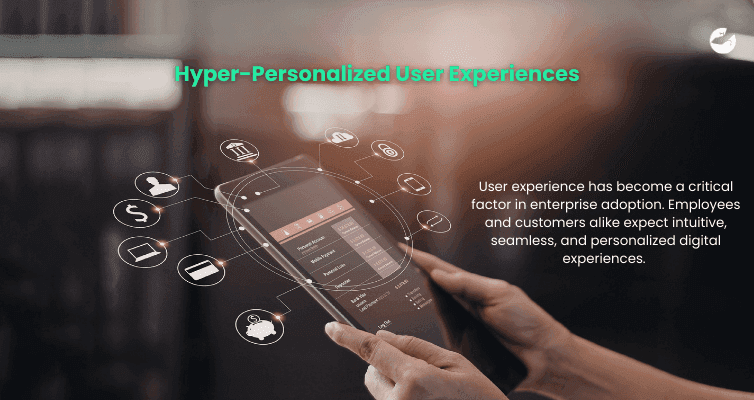
5. Hyper-Personalized User Experiences
User experience has become a critical factor in software adoption and productivity. Employees expect intuitive, seamless platforms, while customers demand personalization at every touchpoint.
Enterprise software is increasingly evaluated based on usability, adaptability, and the ability to support personalized workflows. Vendors that provide flexible interfaces, AI-driven recommendations, and collaborative features gain preference in decision-making processes.
Example:
- An enterprise CRM platform adapts its dashboard based on each user’s role. Sales managers see performance metrics and leads, while customer service agents get ticket queues and AI-driven response suggestions, creating a tailored experience that improves efficiency and satisfaction.
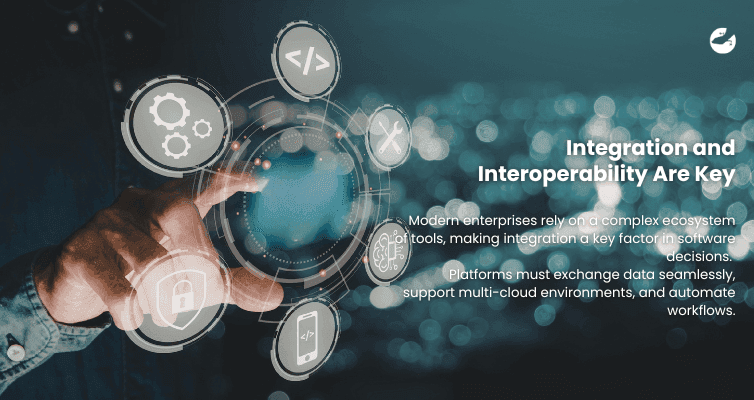
6. Integration and Interoperability Are Key
As enterprises rely on a growing ecosystem of software solutions, the ability to integrate and operate across platforms becomes a decisive factor. Software that can seamlessly exchange data, automate workflows, and support multi-cloud environments enables efficiency and reduces operational silos.
Integration capabilities not only improve productivity but also maximize ROI on existing technology investments. Companies are increasingly demanding enterprise platforms with powerful APIs and third-party connectivity.
Example:
- A finance company integrates its accounting software, ERP, and client management tools using APIs. Automated workflows update client records, invoice statuses, and payment tracking across all systems in real time, eliminating manual entry and reducing errors.
7. Sustainability and Green IT Influence Decisions
Sustainability is becoming a strategic consideration in enterprise software selection. Businesses are evaluating the environmental impact of their IT infrastructure and software choices, including energy-efficient cloud services and eco-friendly data centers.
In 2026, enterprises are factoring sustainability metrics into procurement and digital transformation strategies, reflecting broader ESG goals.
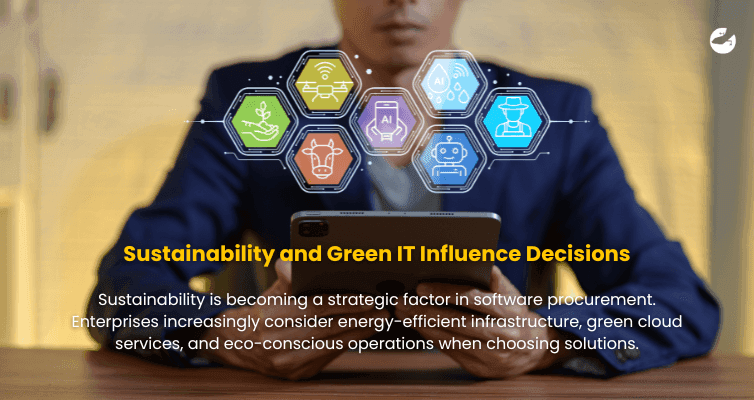
Example: A software platform uses energy-efficient cloud servers and optimizes code to reduce computing power requirements. The platform tracks energy usage and provides reporting on carbon footprint, helping the enterprise meet ESG targets and reduce operational impact on the environment.
How Lizard Global Supports Strategic Enterprise Decisions
Navigating these digital trends requires more than choosing software, it requires strategic insight and execution. Lizard Global helps enterprises turn technology into a competitive advantage by:
- Designing and developing custom software that aligns with business goals
- Ensuring data intelligence, ownership, and actionable insights
- Integrating secure, scalable, and cloud-native solutions
- Creating user-centric experiences that improve adoption and productivity
- Supporting regulatory compliance and long-term sustainability
By partnering with Lizard Global, enterprises can not only adopt the right technology but also leverage it to drive growth, efficiency, and innovation in 2026 and beyond - let’s start the conversation.
FAQs

What digital trends are influencing enterprise software choices in 2026?
Why is AI important for enterprise software?
How does cloud-native software impact business decisions?
What role does data play in enterprise software strategy?
How important is security and compliance in enterprise software selection?
Why is user experience (UX) critical for enterprise platforms?
How can Lizard Global help enterprises with software decisions in 2026?
similar reads

Case Studies & Interviews
Lereng Tanah: Developing a Direct Booking Platform Malaysian Boutique Villa
29 January 2026

Case Studies & Interviews
Tactlink: How a Malaysian Entrepreneur Turned Networking Chaos into a Digital Community
22 January 2026

Software Development
Who Are the Top Software Development Vendors in Amsterdam for 2026?
26 August 2026
Stuck between a great idea and the right team to build it?Let's talk.
We work with corporate innovation teams and ambitious scale-ups across the Netherlands, Singapore, and Australia, and wherever great software needs to be built. Drop us a message and we'll get back to you within one business day.


Markus Monnikendam
Global Commercial Director
hello@lizard.global