
Seafood Trade
Two-Sided Marketplace
+ 2 more ...
How MESH Is Digitizing the Global Seafood Trade with a Cross-Border B2B Marketplace

11 Mar 2026
by Nadiy, Senior Content Writer
Contributor: Terence Ridder, CEO Asia
11 Mar 2026
by Nadiy, Senior Content Writer
Contributor: Terence Ridder, CEO Asia
Seafood Trade
Two-Sided Marketplace
Mobile App Development
Custom Software Development
How MESH Is Digitizing the Global Seafood Trade with a Cross-Border B2B Marketplace
Table of contents
Contact us
We will get back to you in the next 48 hours.

The global seafood trade is a multi-billion-dollar industry, yet much of it still runs on fragmented communication, spreadsheets, and trust-based relationships. MESH set out to modernize this ecosystem with a digital marketplace designed specifically for cross-border seafood trading. In collaboration with Lizard Global, the platform centralizes product discovery, negotiation, logistics tracking, and payment infrastructure into one unified system. This business case explores how strategic product thinking, UX design, and scalable software development enabled MESH to build digital infrastructure for a complex commodity market while improving transparency, efficiency, and trust.
key takeaways
The global seafood industry moves billions of dollars’ worth of products across borders every year. However, despite the scale of this market, many trading processes still operate through informal communication channels such as emails, spreadsheets, and personal networks. In practice, this means buyers and sellers often coordinate shipments, negotiate prices, and finalize agreements through fragmented workflows.
Recognizing these operational challenges, the team behind MESH partnered with Lizard Global to design and build a digital platform capable of supporting international seafood trade. The objective was to create a centralized B2B marketplace that connects verified buyers and sellers while bringing product discovery, negotiation workflows, logistics tracking, and payment infrastructure into a single environment.
Through product strategy, UX research, and full-stack development, Lizard Global helped translate this vision into a functioning digital platform designed for the operational realities of the global seafood supply chain.
Fragmented Processes in a Multi-Billion-Dollar Industry
Before development began, Lizard Global worked with the MESH team to understand the challenges facing seafood trading participants. While the industry operates at a global scale, many of its processes remain highly manual and relationship-driven.
For example, product discovery often relies on personal networks rather than structured platforms. Buyers may need to contact multiple suppliers to compare product availability and pricing. Sellers, meanwhile, often lack standardized ways to present their products to international buyers.
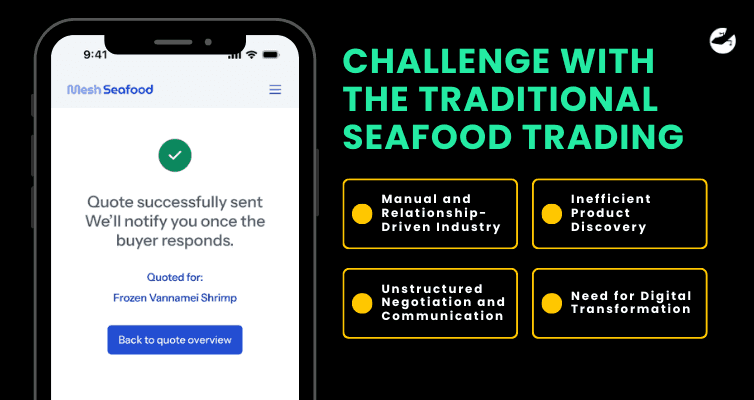
Negotiations and order coordination also frequently occur through email threads or messaging platforms. While these methods can support communication, they make it difficult to maintain structured records of discussions and agreements—particularly in high-value cross-border transactions.
These operational gaps are common in industries that have historically relied on relationship-based trading. Similar digital transformation challenges appear in logistics and international trade systems, which are discussed in our article on digital transformation in logistics and transportation.
Understanding these inefficiencies helped define the product strategy for the MESH platform.
Building A Digital Marketplace for Cross-Border Seafood Trade
Once the core challenges were identified, Lizard Global supported the development of a digital marketplace designed to streamline seafood trade processes.
Rather than focusing solely on product listings, the platform was built to support several stages of the trading workflow within one ecosystem. This includes product discovery, RFQ-based negotiations, order tracking, logistics visibility, and payment infrastructure.
At the center of the platform is a product discovery environment where sellers can publish seafood products along with relevant specifications such as origin and product type. Buyers can search and filter these listings to identify suitable suppliers.
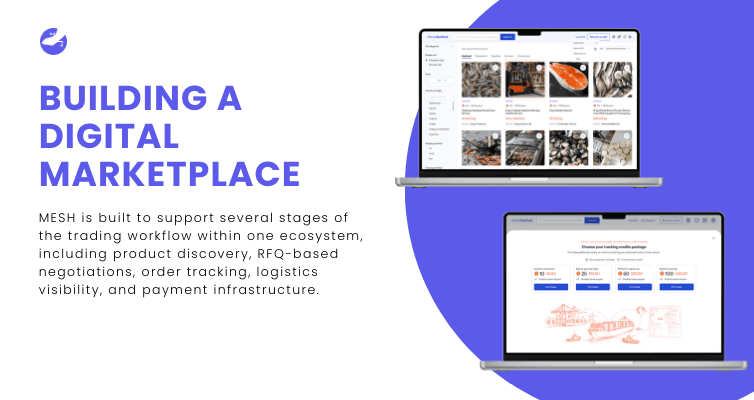
The platform also introduces a structured Request for Quotation (RFQ) workflow. Buyers can request quotes directly through the system, allowing negotiations to take place within a centralized platform rather than across scattered communication channels.
Once agreements are reached, transactions and order details are logged within the platform, creating a structured record of trading activity.
This type of digital marketplace architecture is similar to other platform-based products developed by Lizard Global, which can be explored in our portfolio, including projects such as Travereel and Afflink.
Designing the Platform, From Product Strategy to UX Research
Developing a platform for an established industry requires careful product planning. As part of the project, Lizard Global facilitated product strategy sessions and OKR alignment workshops with the MESH team.
These sessions helped prioritize the most important platform features and define measurable objectives for the development process. Particular focus was placed on workflows that could reduce friction in cross-border seafood trading.
User experience research also informed the design of the platform. Insights from industry participants helped the team understand how buyers and sellers currently manage sourcing, negotiations, and shipment coordination.
These insights shaped the platform’s interface design so that key workflows—such as product discovery and quote requests—align with the way trading processes already operate. This approach reflects Lizard Global’s research-driven design thinking methodology, which is also discussed in and their UX and design services.
Core Platform Features That Power the MESH Marketplace
The MESH platform integrates several key features that collectively transform how seafood trade transactions are managed. Each feature addresses a specific friction point in the traditional trading workflow.
First, the product discovery engine allows sellers to list seafood products with detailed specifications. Buyers can quickly filter these listings based on criteria such as origin, species, or product type. This structured discovery process replaces time-consuming manual sourcing.
Second, the RFQ workflow enables buyers to request quotes directly within the platform. This feature streamlines negotiations while keeping all communication centralized. In contrast to scattered email threads, the system logs each negotiation step in a structured way.
Third, transaction logging ensures that agreements and order details are documented within the platform. This creates a reliable record of interactions, which reduces misunderstandings and improves operational clarity.
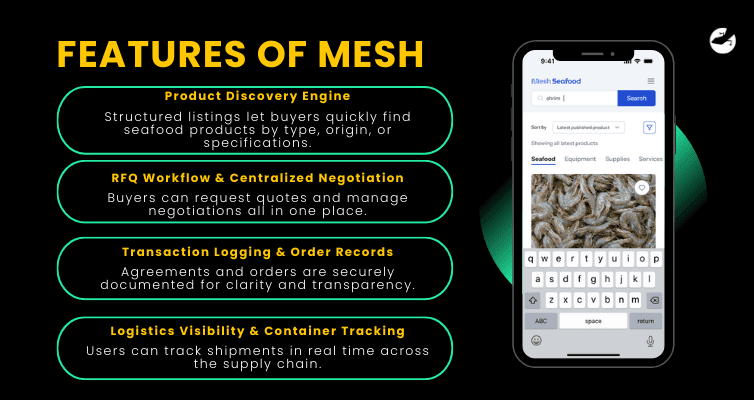
Additionally, container tracking and logistics visibility allow users to monitor shipments throughout the supply chain. By integrating logistics data directly into the trading environment, the platform improves transparency across international shipments.
Another important component is the price intelligence system. The platform aggregates trading data to provide insights on market pricing and product availability. As more transactions occur, these insights help participants make more informed trading decisions.
Finally, integrated payment infrastructure supports monetization and facilitates secure financial transactions between trading partners. This component plays a crucial role in reducing risk exposure for large-value trades.
Together, these features help replace fragmented workflows with a centralized digital environment for seafood trading participants.
Full-Stack Architecture for Global Trade
Behind the user-facing platform lies a powerful full-stack architecture designed to support complex international transactions. Building such infrastructure requires careful attention to scalability, data management, and security.
For example, the system must handle structured product data, negotiation records, logistics updates, and pricing analytics simultaneously. Therefore, the development team implemented a flexible architecture that supports real-time data processing while maintaining reliability across global user bases.
Additionally, the pricing intelligence system required a specialized data architecture capable of aggregating market signals and transaction histories. Over time, these datasets can generate valuable insights about supply-demand patterns and price movements within the seafood market.
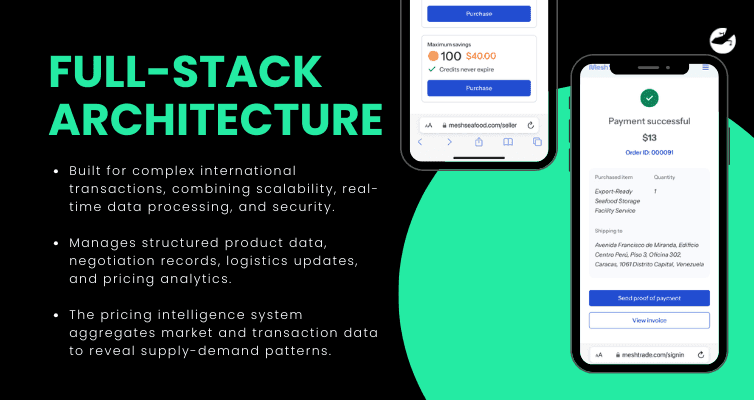
Payment infrastructure also required careful design. Cross-border transactions involve regulatory compliance, currency considerations, and trust mechanisms between trading partners. Through research and strategic planning, the platform integrates payment infrastructure that aligns with the operational realities of international commodity trading.
These technical foundations illustrate the importance of combining product thinking with engineering expertise. An approach that Lizard Global frequently applies in custom software development projects and enterprise web development platforms.
Transforming a Traditional Commodity Market
The development of MESH demonstrates how digital platforms can transform even the most traditional industries. By replacing fragmented communication with structured workflows, the platform reduces operational friction across the seafood trading ecosystem.
For buyers, the platform increases visibility into available products and pricing trends. This transparency helps them make more informed purchasing decisions while reducing time spent on manual sourcing.
Meanwhile, sellers gain a scalable channel to showcase their inventory to verified international buyers. Instead of relying solely on personal networks or intermediaries, suppliers can expand their reach through a digital marketplace environment.
Perhaps most importantly, the platform strengthens trust in cross-border transactions. Through verification processes, transaction logging, and integrated logistics visibility, MESH introduces greater accountability into an industry that has historically relied on informal relationships.
In many ways, this transformation reflects a broader shift toward digital transformation across global trade markets.
The Role of Strategic Product Development in Marketplace Success
Launching a successful marketplace requires more than technology alone. It demands careful alignment between product strategy, user experience, and business models. Throughout development, Lizard Global applied an iterative approach that included user testing and validation.
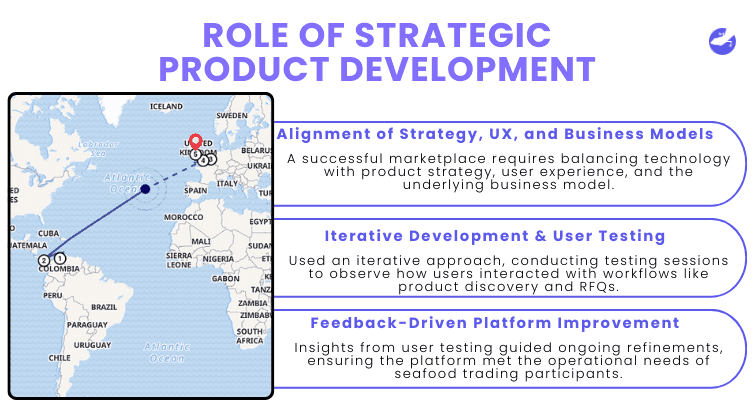
Testing sessions allowed the team to evaluate how participants interacted with the platform’s workflows, such as product discovery and RFQ submissions. Feedback from these sessions informed ongoing improvements to usability and functionality.
This iterative development process helped ensure the platform aligned with the operational needs of seafood trading participants.
A Digital Future for Global Seafood Trade
The seafood industry may be centuries old, but its digital transformation is only beginning. Platforms like MESH demonstrate how thoughtfully designed marketplaces can modernize even the most traditional commodity sectors.
By centralizing product discovery, negotiations, logistics tracking, and payments into a single platform, MESH creates a more transparent and efficient trading environment. At the same time, it introduces data-driven insights that can reshape how market participants make decisions.
For companies operating in complex global industries, the lesson is clear: digital infrastructure is no longer optional. Organizations that invest in modern platforms will gain significant advantages in transparency, efficiency, and scalability.
Modernize Your Marketplace Infrastructure With Lizard Global
The success of platforms like MESH shows that even the most traditional industries can benefit from well-designed digital infrastructure.
If your organization is exploring a B2B marketplace, supply chain platform, or digital trading ecosystem, Lizard Global can help you move from concept to scalable product.
Our team combines product strategy workshops, UX research, and full-stack software development to build platforms that transform complex industries.

Let’s explore how we can build your next digital platform. 👉 Start the conversation with our experts today.
The global seafood trade is a multi-billion-dollar industry, yet much of it still runs on fragmented communication, spreadsheets, and trust-based relationships. MESH set out to modernize this ecosystem with a digital marketplace designed specifically for cross-border seafood trading. In collaboration with Lizard Global, the platform centralizes product discovery, negotiation, logistics tracking, and payment infrastructure into one unified system. This business case explores how strategic product thinking, UX design, and scalable software development enabled MESH to build digital infrastructure for a complex commodity market while improving transparency, efficiency, and trust.
The global seafood industry moves billions of dollars’ worth of products across borders every year. However, despite the scale of this market, many trading processes still operate through informal communication channels such as emails, spreadsheets, and personal networks. In practice, this means buyers and sellers often coordinate shipments, negotiate prices, and finalize agreements through fragmented workflows.
Recognizing these operational challenges, the team behind MESH partnered with Lizard Global to design and build a digital platform capable of supporting international seafood trade. The objective was to create a centralized B2B marketplace that connects verified buyers and sellers while bringing product discovery, negotiation workflows, logistics tracking, and payment infrastructure into a single environment.
Through product strategy, UX research, and full-stack development, Lizard Global helped translate this vision into a functioning digital platform designed for the operational realities of the global seafood supply chain.
Fragmented Processes in a Multi-Billion-Dollar Industry
Before development began, Lizard Global worked with the MESH team to understand the challenges facing seafood trading participants. While the industry operates at a global scale, many of its processes remain highly manual and relationship-driven.
For example, product discovery often relies on personal networks rather than structured platforms. Buyers may need to contact multiple suppliers to compare product availability and pricing. Sellers, meanwhile, often lack standardized ways to present their products to international buyers.
Negotiations and order coordination also frequently occur through email threads or messaging platforms. While these methods can support communication, they make it difficult to maintain structured records of discussions and agreements—particularly in high-value cross-border transactions.
These operational gaps are common in industries that have historically relied on relationship-based trading. Similar digital transformation challenges appear in logistics and international trade systems, which are discussed in our article on digital transformation in logistics and transportation.
Understanding these inefficiencies helped define the product strategy for the MESH platform.
Building A Digital Marketplace for Cross-Border Seafood Trade
Once the core challenges were identified, Lizard Global supported the development of a digital marketplace designed to streamline seafood trade processes.
Rather than focusing solely on product listings, the platform was built to support several stages of the trading workflow within one ecosystem. This includes product discovery, RFQ-based negotiations, order tracking, logistics visibility, and payment infrastructure.
At the center of the platform is a product discovery environment where sellers can publish seafood products along with relevant specifications such as origin and product type. Buyers can search and filter these listings to identify suitable suppliers.
The platform also introduces a structured Request for Quotation (RFQ) workflow. Buyers can request quotes directly through the system, allowing negotiations to take place within a centralized platform rather than across scattered communication channels.
Once agreements are reached, transactions and order details are logged within the platform, creating a structured record of trading activity.
This type of digital marketplace architecture is similar to other platform-based products developed by Lizard Global, which can be explored in our portfolio, including projects such as Travereel and Afflink.
Designing the Platform, From Product Strategy to UX Research
Developing a platform for an established industry requires careful product planning. As part of the project, Lizard Global facilitated product strategy sessions and OKR alignment workshops with the MESH team.
These sessions helped prioritize the most important platform features and define measurable objectives for the development process. Particular focus was placed on workflows that could reduce friction in cross-border seafood trading.
User experience research also informed the design of the platform. Insights from industry participants helped the team understand how buyers and sellers currently manage sourcing, negotiations, and shipment coordination.
These insights shaped the platform’s interface design so that key workflows—such as product discovery and quote requests—align with the way trading processes already operate. This approach reflects Lizard Global’s research-driven design thinking methodology, which is also discussed in and their UX and design services.
Core Platform Features That Power the MESH Marketplace
The MESH platform integrates several key features that collectively transform how seafood trade transactions are managed. Each feature addresses a specific friction point in the traditional trading workflow.
First, the product discovery engine allows sellers to list seafood products with detailed specifications. Buyers can quickly filter these listings based on criteria such as origin, species, or product type. This structured discovery process replaces time-consuming manual sourcing.
Second, the RFQ workflow enables buyers to request quotes directly within the platform. This feature streamlines negotiations while keeping all communication centralized. In contrast to scattered email threads, the system logs each negotiation step in a structured way.
Third, transaction logging ensures that agreements and order details are documented within the platform. This creates a reliable record of interactions, which reduces misunderstandings and improves operational clarity.
Additionally, container tracking and logistics visibility allow users to monitor shipments throughout the supply chain. By integrating logistics data directly into the trading environment, the platform improves transparency across international shipments.
Another important component is the price intelligence system. The platform aggregates trading data to provide insights on market pricing and product availability. As more transactions occur, these insights help participants make more informed trading decisions.
Finally, integrated payment infrastructure supports monetization and facilitates secure financial transactions between trading partners. This component plays a crucial role in reducing risk exposure for large-value trades.
Together, these features help replace fragmented workflows with a centralized digital environment for seafood trading participants.
Full-Stack Architecture for Global Trade
Behind the user-facing platform lies a powerful full-stack architecture designed to support complex international transactions. Building such infrastructure requires careful attention to scalability, data management, and security.
For example, the system must handle structured product data, negotiation records, logistics updates, and pricing analytics simultaneously. Therefore, the development team implemented a flexible architecture that supports real-time data processing while maintaining reliability across global user bases.
Additionally, the pricing intelligence system required a specialized data architecture capable of aggregating market signals and transaction histories. Over time, these datasets can generate valuable insights about supply-demand patterns and price movements within the seafood market.
Payment infrastructure also required careful design. Cross-border transactions involve regulatory compliance, currency considerations, and trust mechanisms between trading partners. Through research and strategic planning, the platform integrates payment infrastructure that aligns with the operational realities of international commodity trading.
These technical foundations illustrate the importance of combining product thinking with engineering expertise. An approach that Lizard Global frequently applies in custom software development projects and enterprise web development platforms.
Transforming a Traditional Commodity Market
The development of MESH demonstrates how digital platforms can transform even the most traditional industries. By replacing fragmented communication with structured workflows, the platform reduces operational friction across the seafood trading ecosystem.
For buyers, the platform increases visibility into available products and pricing trends. This transparency helps them make more informed purchasing decisions while reducing time spent on manual sourcing.
Meanwhile, sellers gain a scalable channel to showcase their inventory to verified international buyers. Instead of relying solely on personal networks or intermediaries, suppliers can expand their reach through a digital marketplace environment.
Perhaps most importantly, the platform strengthens trust in cross-border transactions. Through verification processes, transaction logging, and integrated logistics visibility, MESH introduces greater accountability into an industry that has historically relied on informal relationships.
In many ways, this transformation reflects a broader shift toward digital transformation across global trade markets.
The Role of Strategic Product Development in Marketplace Success
Launching a successful marketplace requires more than technology alone. It demands careful alignment between product strategy, user experience, and business models. Throughout development, Lizard Global applied an iterative approach that included user testing and validation.
Testing sessions allowed the team to evaluate how participants interacted with the platform’s workflows, such as product discovery and RFQ submissions. Feedback from these sessions informed ongoing improvements to usability and functionality.
This iterative development process helped ensure the platform aligned with the operational needs of seafood trading participants.
A Digital Future for Global Seafood Trade
The seafood industry may be centuries old, but its digital transformation is only beginning. Platforms like MESH demonstrate how thoughtfully designed marketplaces can modernize even the most traditional commodity sectors.
By centralizing product discovery, negotiations, logistics tracking, and payments into a single platform, MESH creates a more transparent and efficient trading environment. At the same time, it introduces data-driven insights that can reshape how market participants make decisions.
For companies operating in complex global industries, the lesson is clear: digital infrastructure is no longer optional. Organizations that invest in modern platforms will gain significant advantages in transparency, efficiency, and scalability.
Modernize Your Marketplace Infrastructure With Lizard Global
The success of platforms like MESH shows that even the most traditional industries can benefit from well-designed digital infrastructure.
If your organization is exploring a B2B marketplace, supply chain platform, or digital trading ecosystem, Lizard Global can help you move from concept to scalable product.
Our team combines product strategy workshops, UX research, and full-stack software development to build platforms that transform complex industries.
Let’s explore how we can build your next digital platform. 👉 Start the conversation with our experts today.
FAQs

What is a B2B marketplace platform in commodity trading?
Why is digital transformation important for global seafood supply chains?
What are the most important features of a digital commodity trading platform?
How does a marketplace improve transparency in international trade?
What challenges arise when building a two-sided B2B marketplace?
How can companies validate marketplace product ideas before development?
What role does UX design play in enterprise marketplace platforms?
similar reads