AI Workflow Automation and Process Redesign Services for Enterprises
12 Jun 2026
by Team Lizard Global
Editor: Nadiy, Senior Content Writer
12 Jun 2026
by Team Lizard Global
Editor: Nadiy, Senior Content Writer
AI Workflow Automation and Process Redesign Services for Enterprises
Table of contents
Contact us
We will get back to you in the next 48 hours.
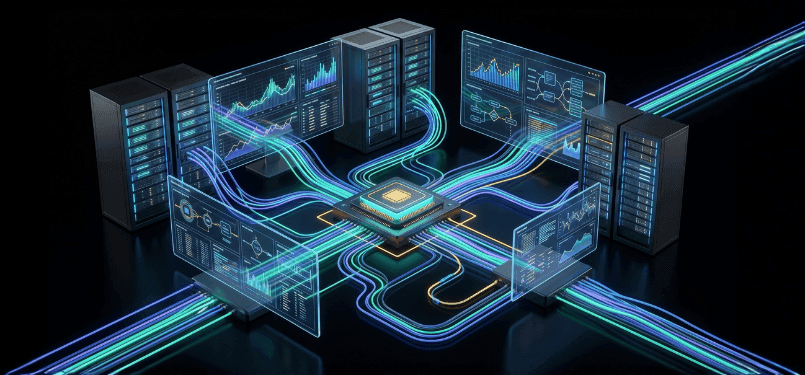
In today's hyper-competitive corporate landscape, traditional automation no longer suffices. Modern enterprises must look beyond static, rule-based systems to capture true operational efficiency. This comprehensive guide explores the intersection of AI workflow automation and strategic process redesign for enterprises. We examine how advanced technologies shift the corporate paradigm from rigid execution to dynamic, intelligent orchestration. By integrating autonomous workflows, enterprises can optimize cost structures, eliminate bottlenecks, and empower their workforce to focus on high-value initiatives. Furthermore, we outline the technical foundations required to deploy these intelligent systems safely, including robust governance framework layers and continuous tracking models. Finally, we highlight real-world engineering applications and demonstrate how partnering with an elite full-stack agency bridges the gap between complex legacy technical debt and future-ready enterprise intelligence.
key takeaways
Today, forward-thinking organizations are replacing these fragile frameworks with comprehensive Enterprise AI Orchestration. This modern methodology blends advanced machine intelligence with cloud-native infrastructure to manage complex, multi-layered business processes. Instead of simply pushing data from one isolated silo to another, intelligent orchestration systems analyze information contextually, make real-time operational decisions, and adapt dynamically to shifting transactional environments. This evolution marks a significant shift from static software execution to dynamic, cognitive automation. By leveraging these advanced systems, large-scale organizations can seamlessly connect disparate legacy platforms, unify disconnected business units, and unlock unprecedented levels of operational agility.
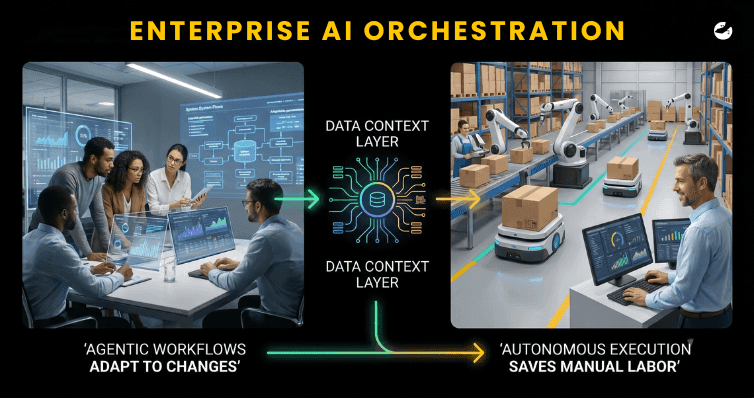
Transitioning away from brittle, rule-based software allows companies to deploy highly versatile systems that scale effortlessly. This foundational shift enables corporations to implement Agentic AI for Enterprise, turning passive software into active operational partners. These advanced cognitive systems continuously evaluate their own performance, recognize systemic inefficiencies, and suggest optimal pathways for data transmission. Consequently, businesses can fundamentally transform how they approach productivity, technology integration, and long-term infrastructure scaling across their global operations.
Want to find out how much it costs to build your dream app or web app?


Unlocking Efficiency via Autonomous AI Agents and Agentic Workflows
Modern operational optimization relies heavily on the deployment of Autonomous AI Agents. Unlike traditional software utilities that require explicit, step-by-step programming for every task, autonomous agents operate based on high-level business objectives. Managers simply define the desired end-state, and the intelligent agent independently determines the most efficient path to achieve it. These agents evaluate complex datasets, select the appropriate internal tools, and execute multi-stage operations without needing constant human oversight. This autonomy transforms backend corporate operations by turning software into a proactive digital workforce.
To maximize the impact of these intelligent agents, organizations construct structured Agentic Workflows. These specialized workflows break down massive, cross-departmental operations into continuous, self-correcting loops of reasoning, planning, and execution. For example, in global supply chain management, an agentic workflow can automatically detect a shipping delay, analyze alternative vendor inventories, negotiate pricing adjustments within predefined financial limits, and rewrite purchase orders instantly. By managing these complex tasks autonomously, the system eliminates traditional administrative delays.
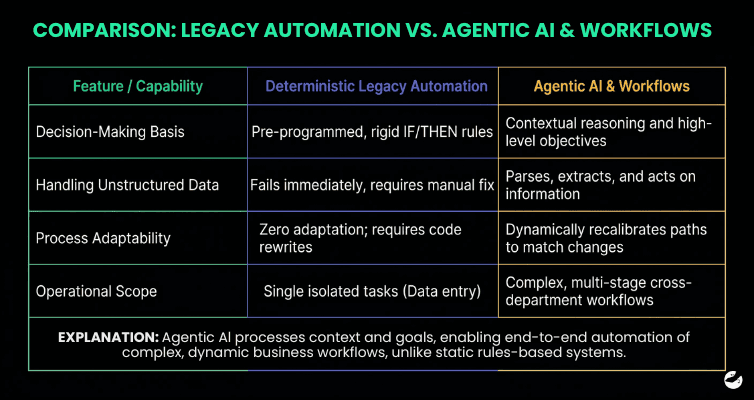
Implementing these advanced workflows allows enterprises to establish a robust layer of AI Digital Labor. This digital labor force handles time-consuming administrative burdens around the clock, significantly lowering overhead costs and accelerating transactional cycle times. As a result, human capital is freed from mundane data manipulation. Employees can redirect their energy toward core business strategy, creative problem-solving, and building deeper client relationships. Partnering with an experienced custom software development company ensures that these advanced agentic systems integrate flawlessly into your existing enterprise architecture.
The Blueprint for Success: Strategic Process Redesign and Digital Consultancy Services
Simply overlaying cutting-edge software onto broken, inefficient corporate processes never yields optimal results. In fact, automating a flawed workflow only accelerates the rate of operational errors and compounds systemic inefficiencies. Before deploying any advanced digital solutions, enterprises must conduct a thorough, top-to-bottom evaluation of their existing operations. This structural evaluation helps identify hidden redundancies, surface deep-seated organizational bottlenecks, and uncover manual dependencies that slow down business growth. A successful transformation requires a complete rethink of how work moves through an organization.
This critical diagnostic phase is where specialized digital consultancy services provide immense value to enterprise leadership. Experienced consultants utilize advanced data-mining tools and conduct targeted collaborative workshops to completely map out every operational dependency within an organization. Through this comprehensive discovery process, businesses can systematically eliminate waste, simplify overly complex reporting lines, and standardize transactional inputs. Redesigning workflows from the ground up ensure they are naturally optimized for machine intelligence and automated scalability.
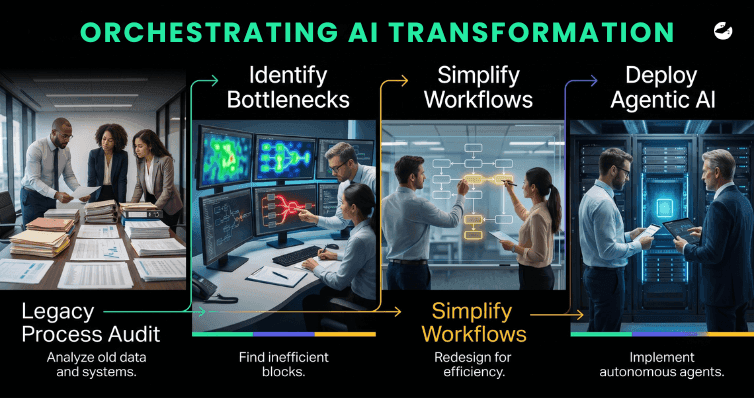
Furthermore, working alongside a premier digital transformation partner allows organizations to confidently navigate the cultural and technical shifts that accompany large-scale automation. These elite partners provide clear strategic roadmaps, design tailored change-management programs, and establish quantifiable performance metrics to measure success. This collaborative approach ensures that your technological investments align perfectly with long-term commercial goals. By bridging the gap between legacy operations and modern automated ecosystems, enterprises can secure a sustainable competitive advantage in rapidly changing global markets.
Engineering the Solution: Full-Stack Digital Solutions and UI/UX Design Services
Building highly reliable, enterprise-grade automation systems requires deep technical expertise across multiple software layers. The backend infrastructure must feature a highly secure architecture, clean codebase design, and robust API integrations capable of processing heavy data volumes concurrently. At the same time, these platforms must remain highly flexible to support rapid feature additions as business requirements evolve. This demands a comprehensive engineering approach that unifies advanced databases, scalable cloud architecture, and cutting-edge artificial intelligence models into a single, cohesive software ecosystem.
To successfully deliver these sophisticated platforms, organizations rely on a full-stack digital solutions agency capable of managing the entire development lifecycle. Selecting an agency with extensive international delivery experience ensures your platform benefits from clean code architecture and scalable database design. Whether your enterprise requires extensive web app development services to modernize legacy desktop portals or a specialized mobile app development agency to build responsive field-service tools, full-stack engineers ensure your system maintains elite performance across all platforms.
Simultaneously, developers must prioritize elite UI design and ux design services during the product creation phase. Even the most powerful AI automation platform will fail to deliver value if your internal staff finds the software confusing or cumbersome to use. Intuitive interfaces transform complex technical data into clean, actionable dashboards that simplify daily operations. Focusing heavily on UX/UI product design ensures that system administrators can easily monitor autonomous workflows, modify system parameters, and review automated decisions without requiring extensive technical training. Clear data visualization drives rapid internal adoption, reduces employee training times, and maximizes your technology return on investment.
Case Studies in Action: Real-World Enterprise Transformations
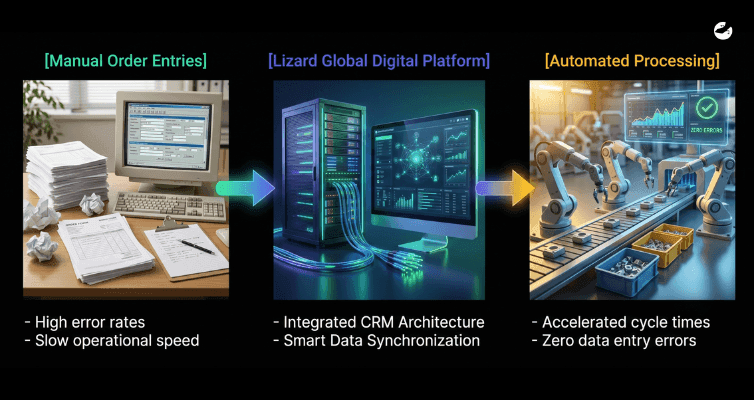
Looking at proven, real-world examples clearly demonstrates the massive operational impact of combining custom software development with intelligent workflow automation. For instance, consider Lizard Global's extensive work with global brands like Heineken Drinkies. By developing custom digital platforms tailored to complex commercial environments, they helped transform how large-scale enterprises manage transactional data and engage with distribution networks. Replacing slow, manual workflows with highly integrated digital solutions allowed the organization to significantly accelerate order processing cycles, eliminate costly data-entry errors, and unlock rich, real-world field insights that drive smarter inventory management.
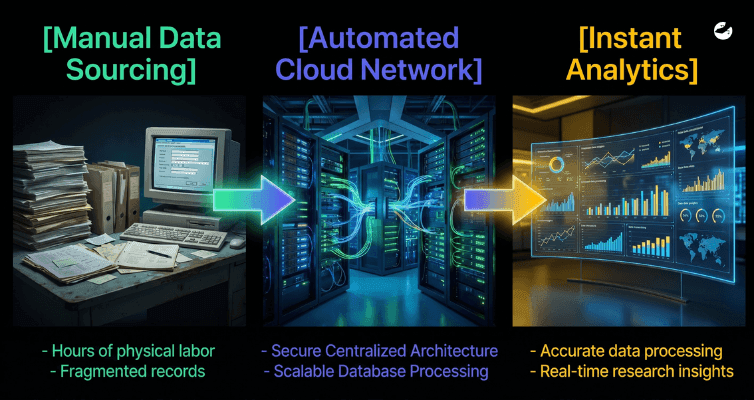
Another powerful example of process modernization can be found in Lizard Global's engineering partnership with Wageningen University & Research to build the Morph application. In this sophisticated environmental project, the development team built data-driven software solutions specifically designed to enhance crop measurement efficiency. Historically, capturing and analyzing these complex agricultural datasets required extensive manual labor and tedious administrative tracking. By introducing advanced automated data synchronization, cloud-hosted storage networks, and intuitive administrative interfaces, the platform significantly reduced processing times while maintaining elite scientific accuracy.
Additionally, looking at large-scale operations like Reach highlights the incredible value of custom fintech infrastructure. For this project, the team engineered a fully automated, highly customizable order management platform designed to streamline complex transactional data processing. The system seamlessly handles high-volume financial data streams, connects distributed payment networks, and updates ledger balances automatically in real time. These successful real-world deployments prove that moving away from generic, off-the-shelf software in favor of bespoke, automated architecture allows enterprises to eliminate costly operational bottlenecks and achieve long-term, sustainable scaling.
Enterprise Governance: AI Guardrails, Observability, and Human-in-the-Loop Integration
As enterprises deploy autonomous intelligence deeper into their core business operations, maintaining total control, data security, and regulatory compliance becomes a top priority. Giving autonomous agents the power to make operational decisions without proper oversight can introduce significant compliance and financial risks. Therefore, organizations must build their automated systems upon a foundation of strict Agentic Governance & Compliance. This governance layer defines clear operational boundaries, restricts data access based on user roles, and ensures the platform adheres strictly to regional regulations like GDPR or PDPA.
To enforce these operational boundaries effectively, engineers must integrate robust AI Guardrails directly into the core software architecture. These programmatic guardrails act as digital fences that prevent autonomous agents from executing unauthorized transactions, accessing restricted customer data, or operating outside of safe corporate parameters. Furthermore, enterprises must maintain total visibility into their automated infrastructure by implementing comprehensive AI Observability & Audit Logs. This tracking framework records every cognitive step, data input, and micro-decision made by your autonomous agents into immutable, easily searchable logs. This deep visibility allows compliance teams to easily audit system actions, troubleshoot process errors, and maintain absolute corporate transparency.
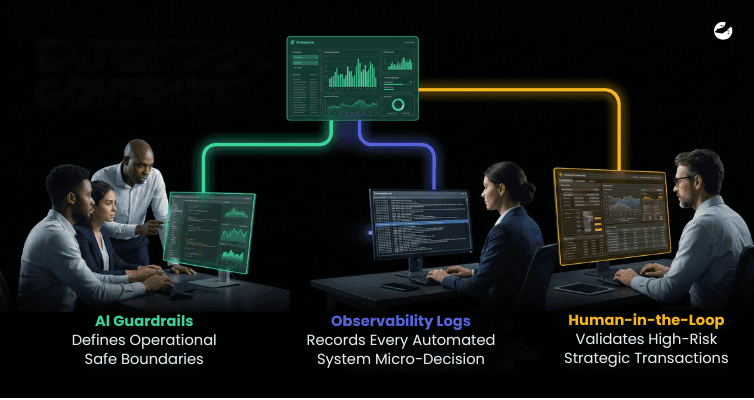
Finally, a highly successful enterprise automation strategy relies on the seamless integration of a Human-in-the-Loop (HITL) operational model. While autonomous systems excel at handling high-volume, repetitive data streams, human professionals remain essential for validating high-risk edge cases, resolving complex customer issues, and approving large financial transactions.
When an autonomous agent encounters an anomaly that breaks its predefined parameters, it automatically pauses the workflow and routes the transaction to a human expert via an intuitive interface. This balanced collaboration pairs machine speed with human strategic judgment. By combining advanced automation with human expertise, enterprises can achieve maximum operational efficiency while keeping data safe and maintaining total control over their business.
Ready to Redesign Your Enterprise Workflows?
Do not let brittle legacy systems and fragmented manual processes stall your organization's growth. Partner with Lizard Global, your trusted full-stack digital solutions agency and premier digital transformation partner.
Whether you need to deploy advanced cognitive workflows, implement powerful custom software development, or refresh your enterprise interfaces with world-class UI/UX design services, our elite international engineering team is ready to deliver. Contact Lizard Global today to schedule a dedicated strategic discovery session and accelerate your digital evolution!
In today's hyper-competitive corporate landscape, traditional automation no longer suffices. Modern enterprises must look beyond static, rule-based systems to capture true operational efficiency. This comprehensive guide explores the intersection of AI workflow automation and strategic process redesign for enterprises. We examine how advanced technologies shift the corporate paradigm from rigid execution to dynamic, intelligent orchestration. By integrating autonomous workflows, enterprises can optimize cost structures, eliminate bottlenecks, and empower their workforce to focus on high-value initiatives. Furthermore, we outline the technical foundations required to deploy these intelligent systems safely, including robust governance framework layers and continuous tracking models. Finally, we highlight real-world engineering applications and demonstrate how partnering with an elite full-stack agency bridges the gap between complex legacy technical debt and future-ready enterprise intelligence.
Today, forward-thinking organizations are replacing these fragile frameworks with comprehensive Enterprise AI Orchestration. This modern methodology blends advanced machine intelligence with cloud-native infrastructure to manage complex, multi-layered business processes. Instead of simply pushing data from one isolated silo to another, intelligent orchestration systems analyze information contextually, make real-time operational decisions, and adapt dynamically to shifting transactional environments. This evolution marks a significant shift from static software execution to dynamic, cognitive automation. By leveraging these advanced systems, large-scale organizations can seamlessly connect disparate legacy platforms, unify disconnected business units, and unlock unprecedented levels of operational agility.
Transitioning away from brittle, rule-based software allows companies to deploy highly versatile systems that scale effortlessly. This foundational shift enables corporations to implement Agentic AI for Enterprise, turning passive software into active operational partners. These advanced cognitive systems continuously evaluate their own performance, recognize systemic inefficiencies, and suggest optimal pathways for data transmission. Consequently, businesses can fundamentally transform how they approach productivity, technology integration, and long-term infrastructure scaling across their global operations.
Want to find out how much it costs to build your dream app or web app?
Unlocking Efficiency via Autonomous AI Agents and Agentic Workflows
Modern operational optimization relies heavily on the deployment of Autonomous AI Agents. Unlike traditional software utilities that require explicit, step-by-step programming for every task, autonomous agents operate based on high-level business objectives. Managers simply define the desired end-state, and the intelligent agent independently determines the most efficient path to achieve it. These agents evaluate complex datasets, select the appropriate internal tools, and execute multi-stage operations without needing constant human oversight. This autonomy transforms backend corporate operations by turning software into a proactive digital workforce.
To maximize the impact of these intelligent agents, organizations construct structured Agentic Workflows. These specialized workflows break down massive, cross-departmental operations into continuous, self-correcting loops of reasoning, planning, and execution. For example, in global supply chain management, an agentic workflow can automatically detect a shipping delay, analyze alternative vendor inventories, negotiate pricing adjustments within predefined financial limits, and rewrite purchase orders instantly. By managing these complex tasks autonomously, the system eliminates traditional administrative delays.
Implementing these advanced workflows allows enterprises to establish a robust layer of AI Digital Labor. This digital labor force handles time-consuming administrative burdens around the clock, significantly lowering overhead costs and accelerating transactional cycle times. As a result, human capital is freed from mundane data manipulation. Employees can redirect their energy toward core business strategy, creative problem-solving, and building deeper client relationships. Partnering with an experienced custom software development company ensures that these advanced agentic systems integrate flawlessly into your existing enterprise architecture.
The Blueprint for Success: Strategic Process Redesign and Digital Consultancy Services
Simply overlaying cutting-edge software onto broken, inefficient corporate processes never yields optimal results. In fact, automating a flawed workflow only accelerates the rate of operational errors and compounds systemic inefficiencies. Before deploying any advanced digital solutions, enterprises must conduct a thorough, top-to-bottom evaluation of their existing operations. This structural evaluation helps identify hidden redundancies, surface deep-seated organizational bottlenecks, and uncover manual dependencies that slow down business growth. A successful transformation requires a complete rethink of how work moves through an organization.
This critical diagnostic phase is where specialized digital consultancy services provide immense value to enterprise leadership. Experienced consultants utilize advanced data-mining tools and conduct targeted collaborative workshops to completely map out every operational dependency within an organization. Through this comprehensive discovery process, businesses can systematically eliminate waste, simplify overly complex reporting lines, and standardize transactional inputs. Redesigning workflows from the ground up ensure they are naturally optimized for machine intelligence and automated scalability.
Furthermore, working alongside a premier digital transformation partner allows organizations to confidently navigate the cultural and technical shifts that accompany large-scale automation. These elite partners provide clear strategic roadmaps, design tailored change-management programs, and establish quantifiable performance metrics to measure success. This collaborative approach ensures that your technological investments align perfectly with long-term commercial goals. By bridging the gap between legacy operations and modern automated ecosystems, enterprises can secure a sustainable competitive advantage in rapidly changing global markets.
Engineering the Solution: Full-Stack Digital Solutions and UI/UX Design Services
Building highly reliable, enterprise-grade automation systems requires deep technical expertise across multiple software layers. The backend infrastructure must feature a highly secure architecture, clean codebase design, and robust API integrations capable of processing heavy data volumes concurrently. At the same time, these platforms must remain highly flexible to support rapid feature additions as business requirements evolve. This demands a comprehensive engineering approach that unifies advanced databases, scalable cloud architecture, and cutting-edge artificial intelligence models into a single, cohesive software ecosystem.
To successfully deliver these sophisticated platforms, organizations rely on a full-stack digital solutions agency capable of managing the entire development lifecycle. Selecting an agency with extensive international delivery experience ensures your platform benefits from clean code architecture and scalable database design. Whether your enterprise requires extensive web app development services to modernize legacy desktop portals or a specialized mobile app development agency to build responsive field-service tools, full-stack engineers ensure your system maintains elite performance across all platforms.
Simultaneously, developers must prioritize elite UI design and ux design services during the product creation phase. Even the most powerful AI automation platform will fail to deliver value if your internal staff finds the software confusing or cumbersome to use. Intuitive interfaces transform complex technical data into clean, actionable dashboards that simplify daily operations. Focusing heavily on UX/UI product design ensures that system administrators can easily monitor autonomous workflows, modify system parameters, and review automated decisions without requiring extensive technical training. Clear data visualization drives rapid internal adoption, reduces employee training times, and maximizes your technology return on investment.
Case Studies in Action: Real-World Enterprise Transformations
Looking at proven, real-world examples clearly demonstrates the massive operational impact of combining custom software development with intelligent workflow automation. For instance, consider Lizard Global's extensive work with global brands like Heineken Drinkies. By developing custom digital platforms tailored to complex commercial environments, they helped transform how large-scale enterprises manage transactional data and engage with distribution networks. Replacing slow, manual workflows with highly integrated digital solutions allowed the organization to significantly accelerate order processing cycles, eliminate costly data-entry errors, and unlock rich, real-world field insights that drive smarter inventory management.
Another powerful example of process modernization can be found in Lizard Global's engineering partnership with Wageningen University & Research to build the Morph application. In this sophisticated environmental project, the development team built data-driven software solutions specifically designed to enhance crop measurement efficiency. Historically, capturing and analyzing these complex agricultural datasets required extensive manual labor and tedious administrative tracking. By introducing advanced automated data synchronization, cloud-hosted storage networks, and intuitive administrative interfaces, the platform significantly reduced processing times while maintaining elite scientific accuracy.
Additionally, looking at large-scale operations like Reach highlights the incredible value of custom fintech infrastructure. For this project, the team engineered a fully automated, highly customizable order management platform designed to streamline complex transactional data processing. The system seamlessly handles high-volume financial data streams, connects distributed payment networks, and updates ledger balances automatically in real time. These successful real-world deployments prove that moving away from generic, off-the-shelf software in favor of bespoke, automated architecture allows enterprises to eliminate costly operational bottlenecks and achieve long-term, sustainable scaling.
Enterprise Governance: AI Guardrails, Observability, and Human-in-the-Loop Integration
As enterprises deploy autonomous intelligence deeper into their core business operations, maintaining total control, data security, and regulatory compliance becomes a top priority. Giving autonomous agents the power to make operational decisions without proper oversight can introduce significant compliance and financial risks. Therefore, organizations must build their automated systems upon a foundation of strict Agentic Governance & Compliance. This governance layer defines clear operational boundaries, restricts data access based on user roles, and ensures the platform adheres strictly to regional regulations like GDPR or PDPA.
To enforce these operational boundaries effectively, engineers must integrate robust AI Guardrails directly into the core software architecture. These programmatic guardrails act as digital fences that prevent autonomous agents from executing unauthorized transactions, accessing restricted customer data, or operating outside of safe corporate parameters. Furthermore, enterprises must maintain total visibility into their automated infrastructure by implementing comprehensive AI Observability & Audit Logs. This tracking framework records every cognitive step, data input, and micro-decision made by your autonomous agents into immutable, easily searchable logs. This deep visibility allows compliance teams to easily audit system actions, troubleshoot process errors, and maintain absolute corporate transparency.
Finally, a highly successful enterprise automation strategy relies on the seamless integration of a Human-in-the-Loop (HITL) operational model. While autonomous systems excel at handling high-volume, repetitive data streams, human professionals remain essential for validating high-risk edge cases, resolving complex customer issues, and approving large financial transactions.
When an autonomous agent encounters an anomaly that breaks its predefined parameters, it automatically pauses the workflow and routes the transaction to a human expert via an intuitive interface. This balanced collaboration pairs machine speed with human strategic judgment. By combining advanced automation with human expertise, enterprises can achieve maximum operational efficiency while keeping data safe and maintaining total control over their business.
Ready to Redesign Your Enterprise Workflows?
Do not let brittle legacy systems and fragmented manual processes stall your organization's growth. Partner with Lizard Global, your trusted full-stack digital solutions agency and premier digital transformation partner.
Whether you need to deploy advanced cognitive workflows, implement powerful custom software development, or refresh your enterprise interfaces with world-class UI/UX design services, our elite international engineering team is ready to deliver. Contact Lizard Global today to schedule a dedicated strategic discovery session and accelerate your digital evolution!
FAQs

How does Enterprise AI Orchestration differ from traditional Robotic Process Automation (RPA)?
Why should our enterprise invest in custom software development instead of utilizing off-the-shelf SaaS automation tools?
What specific role do digital consultancy services play during an enterprise workflow automation initiative?
How do AI Guardrails and Agentic Governance protect our corporate data and maintain regulatory compliance?
What is a Human-in-the-Loop (HITL) model, and why is it necessary for automated enterprise operations?
Can a full-stack digital solutions agency modernize our legacy backend infrastructure without disrupting daily operations?
How does excellent UI/UX product design impact the overall return on investment for an enterprise AI platform?

Stuck between a great idea and the right team to build it?Let's talk.
We work with corporate innovation teams and ambitious scale-ups across the Netherlands, Singapore, and Australia, and wherever great software needs to be built. Drop us a message and we'll get back to you within one business day.


Markus Monnikendam
Global Commercial Director
hello@lizard.global