
Scalable Application Development Services for Global User Bases
01 Jul 2026
by Team Lizard Global
Editor: Nadiy, Senior Content Writer
01 Jul 2026
by Team Lizard Global
Editor: Nadiy, Senior Content Writer
Scalable Application Development Services for Global User Bases
Table of contents
Intelligent Automation: Revolutionizing Infrastructure via Agentic AI for Enterprise
Elevating the User Interface: Crafting High-Performance Cross-Border Experiences
Unifying Ecosystems: Developing Robust Cross-Platform Mobile and Web Architecture
Governance and Guardrails: Securing High-Autonomy Global Workflows
Data-Driven Growth: Integrating Systems and Continuous Analytics Optimization
Ready to Scale Your Digital Ecosystem Globally?
Contact us
We will get back to you in the next 48 hours.
In a hyper-connected digital landscape, expanding a digital product to support a global user base requires far more than standard coding practices. It demands an underlying infrastructure capable of sustaining simultaneous transactions, shifting traffic spikes, and real-world regional complexities without degradation. This comprehensive guide details the foundational architectural principles, high-performance user interface paradigms, and advanced artificial intelligence engineering required to sustain enterprise-grade cross-border operations. We explore the profound shift from traditional rigid frameworks to dynamic automation models, balancing machine autonomy with continuous operational governance. By implementing specialized technical design frameworks, organizations can minimize downtime, optimize localized resource delivery, and maintain consistent cross-platform compliance. Ultimately, building for global scalability ensures that your corporate ecosystem remains resilient, responsive, and positioned for long-term international expansion.
key takeaways
When an enterprise scales its operations to reach millions of users across multiple continents, the engineering framework must move beyond standard operational boundaries. Relying on a traditional monolithic architecture inevitably introduces performance degradation, regional lag, and dangerous structural single points of failure. Consequently, modern software planning requires a strict transition toward decoupled microservices and serverless computation matrices distributed across strategic geographic regions.
By separating data processing layers from user-facing systems, engineers can scale specific business segments independently without disrupting the broader application ecosystem. This elastic approach minimizes idle server overhead, optimizes cloud resource expenditures, and guarantees that regional traffic surges do not trigger widespread outages.
To ensure consistent performance during massive international traffic swings, global platforms require automated traffic routing and advanced localized content caching networks. Utilizing intelligent content delivery networks and edge computing layers places critical data processing inches away from the end-user, drastically reducing latency. Furthermore, implementing multi-region database clustering with sophisticated conflict-resolution patterns prevents synchronization delays across different territories.
Transitioning to this decoupled paradigm allows global brands to execute continuous background deployments and system updates seamlessly. Ultimately, relying on a seasoned custom software development company ensures that your foundational architecture remains resilient, highly available, and entirely capable of supporting unpredictable cross-border transaction volumes.
Want to find out how much it costs to build your dream app or web app?


Intelligent Automation: Revolutionizing Infrastructure via Agentic AI for Enterprise
As systems scale across global landscapes, managing backend operations manually becomes an unfeasible burden for IT and operations teams. This operational pressure is driving a profound shift toward Agentic AI for Enterprise, a paradigm where software actively interprets intent, makes logical decisions, and executes multi-step workflows. Unlike traditional automation, which breaks down when encountering unexpected conditions, Autonomous AI Agents dynamically adapt to changing runtime states and infrastructure anomalies.
These systems continuously monitor system logs, analyze operational performance metrics, and orchestrate underlying microservices without human intervention. By deploying these self-healing operational layers, global enterprises drastically reduce system downtime and handle unprecedented infrastructure complexities with ease.
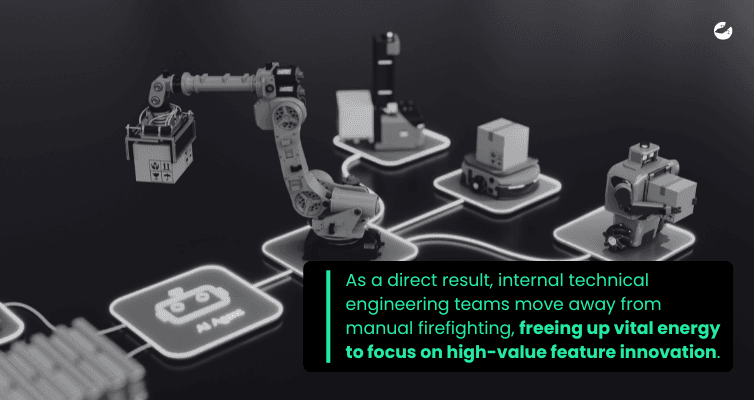
Furthermore, integrating advanced Agentic Workflows directly into backend environments fundamentally changes how enterprises manage data pipeline processing, load balancing, and regional compliance. For example, when a localized network switch experiences a sudden surge in consumer requests, autonomous agents can instantly provision additional compute nodes or safely reroute user data streams. This level of Enterprise AI Orchestration acts as a tireless layer of AI Digital Labor, quietly optimizing resource configurations, identifying security vectors, and managing database defragmentation.
Partnering with a comprehensive full-stack digital solutions agency allows organizations to integrate these cognitive automation layers deeply into legacy tech stacks. As a direct result, internal technical engineering teams move away from manual firefighting, freeing up vital energy to focus on high-value feature innovation.
Elevating the User Interface: Crafting High-Performance Cross-Border Experiences
A highly resilient backend infrastructure loses its value if the user-facing application layer feels sluggish, visually confusing, or unoptimized for localized regional markets. Designing for a global user base requires a deeply intentional approach to interface planning, where layout adaptability and technical asset optimization must coexist perfectly. International audiences possess highly diverse internet connectivity levels, varied hardware capabilities, and unique cultural expectations regarding digital interaction styles. Therefore, prioritizing comprehensive UI/UX design services helps transform highly complex, data-heavy enterprise functions into clean, incredibly intuitive workflows that perform flawlessly on any consumer device.
This approach is highly visible in modern healthcare environments where products like Avanthealth's Cognify deliver specialized interfaces designed to assist clinical research, or parental support software like Like a Buddy - Vind een Buddy which streamlines user journeys to remove interaction hurdles. By emphasizing performance-driven design systems, global brands ensure that their platforms maintain sub-second rendering times, even when operating on restrictive mobile data networks.
To achieve this level of visual performance, frontend engineering teams must employ strict asset optimization strategies, universal internationalization methodologies, and dynamic typography systems. Interface layouts must elegantly handle varying text lengths across different languages without breaking visual structures or causing frustrating overlapping elements. This meticulous visual consideration is where specialized digital consultancy services prove incredibly valuable, guiding companies to align their global interface aesthetics with localized user behaviors.
For instance, creating unified, modular design tokens enables quick, seamless updates across multiple corporate product lines while preserving cross-border brand identity. Focusing heavily on responsive and accessible interfaces allows global organizations to maximize user engagement, lower cognitive friction, and drive continuous long-term platform loyalty.
Unifying Ecosystems: Developing Robust Cross-Platform Mobile and Web Architecture
Sustaining deep, continuous user engagement on a global scale requires businesses to maintain an flawless, multi-channel operational presence. Global workforces and consumer bases expect a uniform experience, whether they access tools via a browser or a native mobile ecosystem. Entrusting these initiatives to a specialized mobile app development agency ensures that cross-platform codebases achieve maximum architectural efficiency without sacrificing device-level performance. Whether deploying professional matching networks like Tactlink, social travel applications like Travereel, or complex enterprise real estate tools like Iggi, keeping code frameworks highly scalable remains essential.
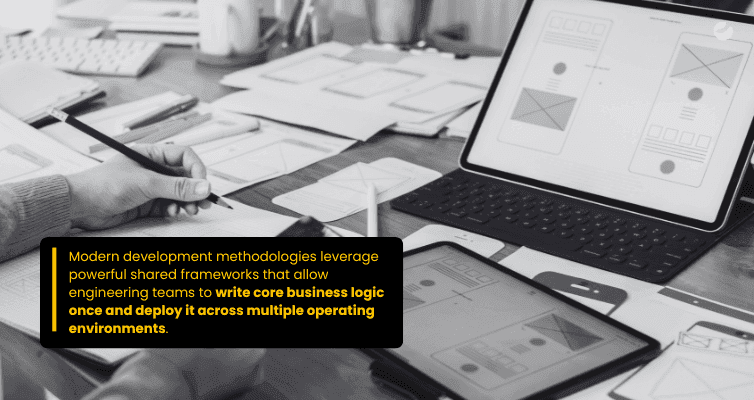
Modern development methodologies leverage powerful shared frameworks that allow engineering teams to write core business logic once and deploy it across multiple operating environments. This systematic code reusability drastically reduces time-to-market and ensures that system updates roll out simultaneously to all global users.
Concurrently, expanding an organization's digital reach requires deploying premier web app development services that complement these mobile experiences perfectly. High-performance web architectures leverage advanced client-side rendering frameworks and progressive web strategies to ensure immediate loading times, regardless of the user's geographic location. This standard is crucial for global digital shopping structures like Afflink and Saleduck, which handle real-time programmatic deals across borders. Consider a large-scale project like Lizard Global's development of the Heineken Drinkies platform for Heineken Malaysia.
This complex digital ecosystem required a seamless mobile and web framework capable of managing real-time logistics, complex localized promotions, and heavy user traffic simultaneously. By combining robust frontend interfaces with tightly integrated backend systems, the application delivered a frictionless, ultra-reliable transaction journey that successfully sustained Heineken's demanding global commercial standards.
Governance and Guardrails: Securing High-Autonomy Global Workflows
Deploying autonomous automation systems across international borders introduces unique regulatory hurdles, security threats, and data governance considerations. When software components operate independently, enterprises must establish rigid boundaries to ensure these actions remain entirely safe, fully transparent, and ethically compliant. Implementing ironclad AI Guardrails ensures that autonomous systems never venture outside predefined operational operational limits or generate unvalidated system actions.
This structured framework differentiates Deterministic vs. Agentic AI, combining predictable, rules-based safety loops with the flexible, cognitive problem-solving capabilities of modern autonomous models. By anchoring your AI architecture within a deterministic framework, you shield your enterprise from erratic systemic behavior and catastrophic data leaks.
To maintain absolute control over these autonomous operations, enterprises must weave Human-in-the-Loop (HITL) validation mechanisms directly into their core business workflows. This ensures that while digital agents handle complex data aggregation and initial triaging, critical high-risk decisions require explicit confirmation from human supervisors. Furthermore, strict Agentic Governance & Compliance protocols require the continuous collection of comprehensive AI Observability & Audit Logs. These immutable ledgers capture every micro-decision made by your digital labor force, providing full trace-ability for comprehensive regulatory compliance and internal security audits.
Collaborating with a reliable digital transformation partner allows organizations to deploy these highly advanced oversight systems securely, protecting corporate reputation and data assets across all global territories.
Data-Driven Growth: Integrating Systems and Continuous Analytics Optimization
An application's launch onto the international stage marks the true beginning of its long-term engineering evolutionary cycle. To thrive amid intense global competition, platforms must continuously gather, process, and analyze massive volumes of real-time operational and behavioral data. This requires establishing sophisticated CRM integration services to synchronize user touchpoints seamlessly across diverse regional sales and support teams.
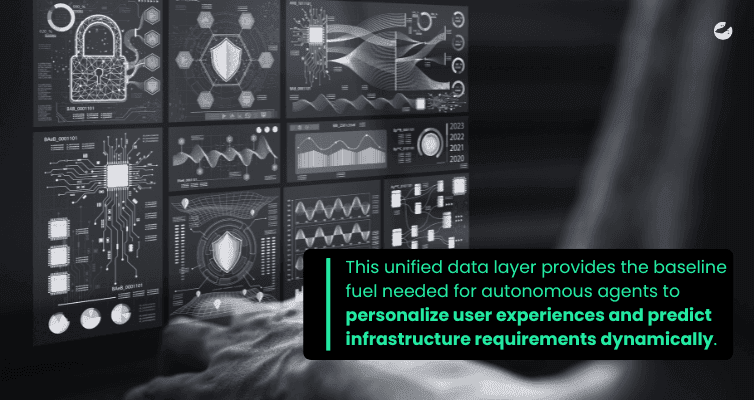
Centralizing user interaction data allows enterprises to break down organizational data silos and uncover deep insights into how distinct global cohorts interact with their systems. This unified data layer provides the baseline fuel needed for autonomous agents to personalize user experiences and predict infrastructure requirements dynamically.
To turn this raw operational data into actionable business advantages, corporations rely on expert growth analytics consulting to build long-term optimization strategies. Continuous multivariate testing, user journey mapping, and detailed backend performance analytics uncover subtle friction points within global user workflows. Eliminating these structural bottlenecks allows enterprises to iterate on their UX/UI product design systematically, making incremental adjustments that boost global retention rates.
This continuous cycle of data-backed refinement ensures that software systems do not become stagnant, rigid, or misaligned with changing market needs. Ultimately, aligning infrastructure engineering with data-driven insights enables modern businesses to scale their software assets efficiently, minimize operational waste, and capture sustainable market share worldwide.
Ready to Scale Your Digital Ecosystem Globally?
Expanding your digital footprint across international markets requires an experienced engineering ally who understands cloud architecture, user experience, and modern automation. At Lizard Global, we act as your dedicated digital transformation partner, helping you navigate complex software modernizations and scale your products seamlessly. Whether you want to optimize your workflows using Enterprise AI Orchestration or deploy accessible web and mobile platforms, our cross-functional teams deliver the engineering excellence your business demands.

Let’s collaborate to turn your complex technological operational challenges into highly scalable, future-proof digital advantages that captivate users worldwide. Reach out to the Lizard Global engineering team today to schedule an elite digital architecture consultation and accelerate your global growth journey.
similar reads

AI & Machine Learning
How to Identify Your Highest-ROI AI Workflow Before Spending a Cent
31 August 2026

Software Development
How Much Does It Cost to Develop an App in Amsterdam, The Netherlands? (2026 Market Entry Blueprint)
2 September 2026

Case Studies & Interviews
Travereel: How a Digital Travel Experience Platform Demonstrates the Power of Strategic AI Product Development
7 May 2026